

It’s a worn-out cliché: Don’t poke the bear, presumably because it will get mad and eat you. Or invade Ukraine.
But what kind of bear is Russia? So many options: brown bear, black bear, grizzly bear, polar bear, teddy bear.
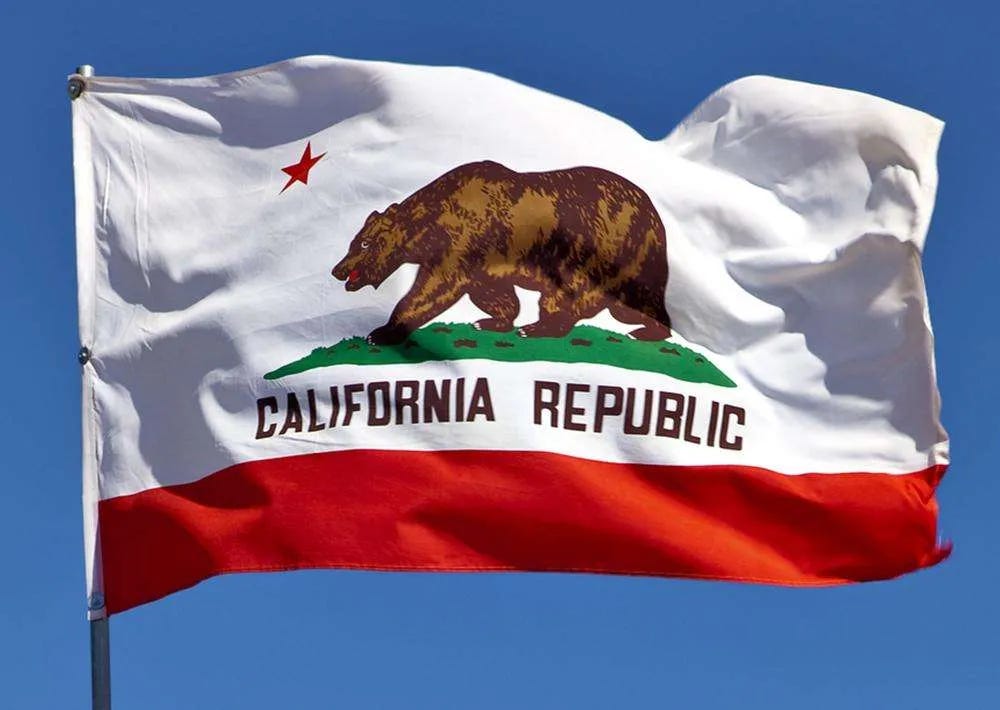
For starters, brown bear and grizzly aren’t separate options. The grizzly is Ursus arctos horribilis, the North American subspecies of the brown bear. The Russian bear and the American grizzly are the same species on either side of the Bering Strait. California even puts a grizzly on its flag.
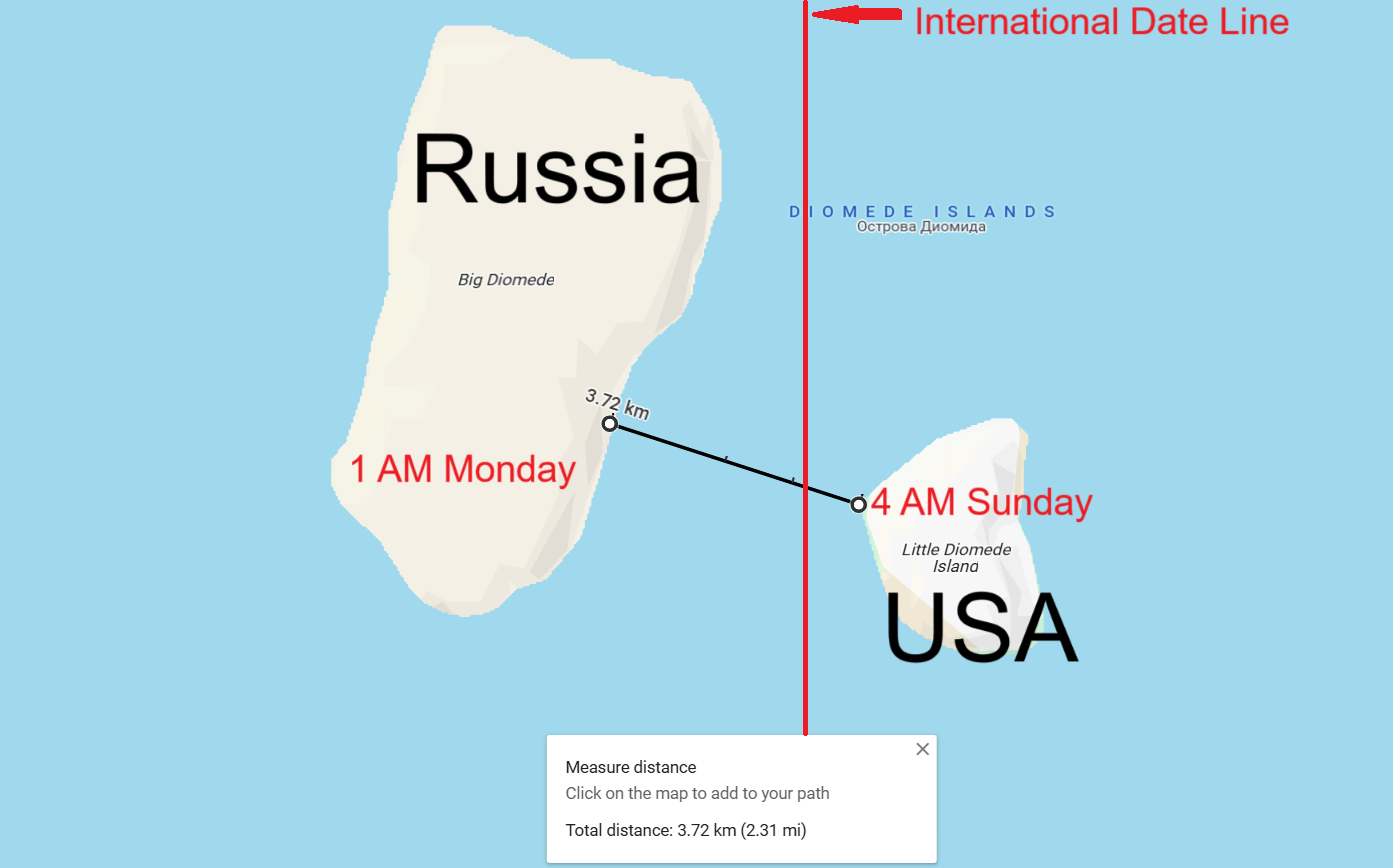
The American bear and the Russian bear are the same animal. Those arguing about civilizational difference are mostly arguing about fur colour. The geographical illusion is that Russia is in Eurasia, on the other side of the world. But Alaska is 53 miles from Russia, just a short hop across the Bering Strait. At the absolute closest point, the United States territory is only 2.4 miles (3.8 kilometres) away from the easternmost part of Russia. This minuscule gap separates America’s Little Diomede Island (Alaska) and Russia’s Big Diomede Island.
In winter, when the ice is solid, it is bearly a brisk walk, forgive the pun.
A black bear is smallish, avoids fights, often charges and runs away after raiding the garbage. This is the John McCain school: “Russia is a gas station masquerading as a country.” This view ignores the fact that the bear has a nuclear arsenal, hypersonic missiles and has been fighting a war of attrition for years.
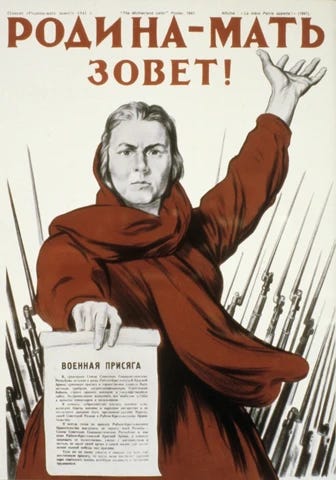
Seen through the political realist’s binoculars, the Russian bear is a grizzly: territorial and aggressive, and above all a mother defending cubs. The most common, personal, and deeply emotional word for Russians to describe their nation is Rodina-mat (Родина-мать, or “Motherland”), most famously featured in Irakli Toidze’s 1941 World War II poster “The Motherland Calls!”
Political analyst John Mearsheimer’s version of Russia is the most sympathetic — Russia is defending itself against NATO encroachment. He explains Russia’s behaviour as provoked rather than chosen. A momma protecting her cubs. In Moscow’s narrative, the bear cubs are the Russian speakers of the “near abroad,” the Russkiy mir or Russian world that spills past Russia’s borders into Ukraine, the Baltics and Kazakhstan.
Don’t poke the momma bear with the NATO stick.
The polar bear is the most carnivorous of the bears. Sounds nasty, menacing and it fits the Atlanticist hawks’ view of Russia as a predator. It also captures the Siberian Russia of the Arctic coastline, the Northern Sea Route and the icebreaker fleet. Often it is the same commentators who call Russia a gas station on Monday and warn that it will march on Berlin by Friday, stomping through Poland on the way.
The black bear and the polar bear are two moods of the same observer.
The polar bear is a hypercarnivore dependent on one food source, the seal, and it is hunting on ice that is melting, greatly threatening its food supply. No ice, no seals, no polar bears.
Swap seals for fossil fuels and the ice for the energy market, and it describes a petrostate whose ground is shrinking under it. Russia’s profitable oil reserves will run out in about 25 years. Russia isn’t running out of oil and gas. It’s running out of cheap oil. Its gas will last a century, but the fields it is pumping now are already 70 percent drained.
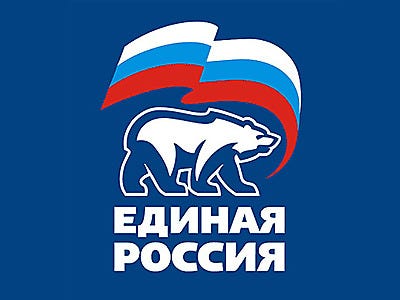
Russia’s own bear is the same brown bear seen up close. Russians call it Misha, and it sits on the logo of United Russia, the ruling party, Putin’s party.
Mostly it’s an omnivore that eats berries, roots and carcases, and kills opportunistically. It hibernates, then goes into hyperphagia, a frantic autumn feeding binge. Russian history follows the same rhythm. In the 1990s the bear slept. The Soviet Union collapsed, the economy shrank, and the army couldn’t even hold Chechnya. Then came the feeding binge. Georgia in 2008. Crimea in 2014. The full invasion of Ukraine in 2022. Each binge came after a long nap, and each time the West acted surprised that the bear awoke.
Any park ranger in British Columbia knows the slogan: a fed bear is a dead bear. A bear that learns to eat from human garbage develops habitual behavior and it loses its fear of humans. It stops wandering around the woods and comes to depend on a food source it doesn’t control, and ends up destroyed or relocated by the people who fed it.
That’s Russia after 2022. The Ukraine War and the Western sanctions pushed Russia into a feeding-station economy. Russia was captured by the Chinese orbit and has been trading discounted oil for Chinese machinery. It still looks like a wild brown bear, but it has been conditioned to one feeding ground, and the feeder sets the terms.
The numbers show how lopsided the arrangement is. China now buys about 27 percent of everything Russia exports and supplies about 39 percent of everything Russia imports. In the first seven months of 2026, trade between the two countries came to $159 billion. China’s trade with the whole world over the same months came to $4.3 trillion. China is a third of Russia’s trade. Russia is under 4 percent of China’s.
China props Russia up just enough: it buys the oil at a discount and sells the cars at full price (448,000 passenger cars in the first half of 2026 alone). Its big banks keep their distance to protect their access to the dollar, it invests little in Russian factories, and it is holding out on Power of Siberia 2 until the price suits it. Keeping the bear alive is cheap. Keeping it strong would be expensive, and there is little advantage for China to keep a strong bear in its backyard.
And Russia is definitely not a panda.
Pandas are bears, family Ursidae, with a carnivore’s teeth and a diet of bamboo. For some real world irony, on September 24, Xi Jinping went to Washington on a state visit and announced that two giant pandas, Ping Ping and Fu Shuang, were on their way to Zoo Atlanta. The headlines called it a gift, but it is a gift with conditions and a 10-year lease agreement. China never gives its pandas away. It lends them, charges rent and brings them home when the agreement runs out. Under past agreements, American zoos have reportedly paid China about $1.1 million a year for a pair, plus a flat rate of $600,000 for every cub born, and the cubs still belong to China.
Three weeks later, Washington suspended its sanctions on Russian diesel, and the first tanker, carrying 40,000 tonnes, sailed for New York from the Russian Baltic Sea port of Primorsk early on Friday, October 23, 2026.
Depending on how you look at it, the deal is all about the price of diesel. At more than six dollars a gallon weeks before the midterm elections, Trump has called lower fuel prices his “Greatest Priority”.
Or alternately, it is a reverse Kissinger: an attempt to coax China’s (pet) bear into the American orbit. Either way, you can’t steal a bear with one tanker. China still accounts for a third of Russia’s trade and supplies much of what Russia can’t make for itself, and the American sanctions license runs out in April 2027.
Added to the mix are recent revelations by the New York Times that exposed another wrinkle in the bear story.
On October 23 it reported that Novatek, Russia’s biggest private gas company, had secretly put money into Polar LNG, an American start-up planning to export gas from Alaska’s North Slope with Novatek’s equipment. The account comes from the start-up’s former chief executive, who resigned in September. Polar LNG calls him a disgruntled former employee. But Novatek itself told the Times it is moving to take a minority stake.
Perhaps the bear has more than one feeder. China supplies the machinery and buys the oil. American business offers another potential source of money and markets. The bear may be eating from the panda’s hand, but it’s sniffing around the American garbage cans.
So the old saying needs revising. “Don’t poke the bear” assumes a wild animal that wanders freely in the wilderness. A fed bear answers to whoever keeps the food coming. China knows how to manage bears. It leases its pandas, charges rent, owns every cub and always gets them back.
America has never been good with bears. In Yellowstone, tourists once fed them from their car windows, and the park built bleachers so crowds could watch grizzlies eat at the garbage dumps. When the dumps closed, the bears that depended on them wandered into campgrounds and were shot.
Washington handles Russia the same way: it pokes the bear with sanctions one week and buys diesel the next. China keeps its bears on a ten-year lease. America feeds them on impulse. The question isn’t what kind of bear is Russia but whose bear it is becoming?
My sincere apologies to my readers for the long gap between articles. I am working feverishly to finish the manuscript of the Capitalist Civil War. Thank you for standing by.